The Language of Neurodiversity
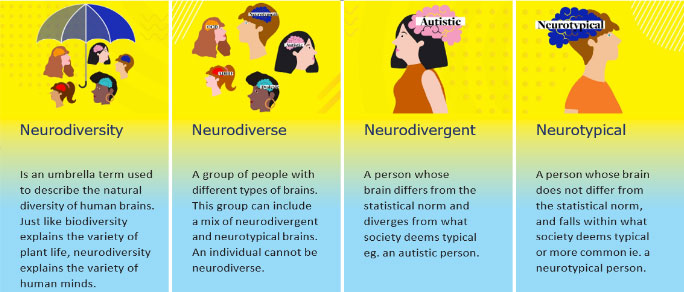
The language we use shapes how we understand and support autistic young people. Using respectful and neuro-affirming language is key to creating an inclusive environment. Understanding essential terms like neurodiversity, neurodivergent, and neurotypical are critical. These terms are more than definitions; they represent a commitment to valuing each individual’s unique way of thinking, learning, and experiencing the world. By familiarising ourselves with this language, we take a vital step toward creating environments where neurodivergent individuals feel understood, validated, and supported1.
Identity-First Language
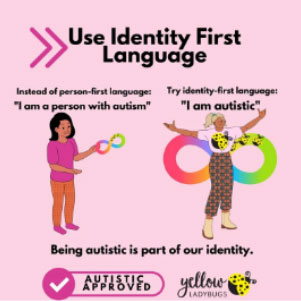
In line with the preference of the majority of autistic people, this website uses identity-first language (“autistic person”) rather than person-first language (“person with autism”)2. This preference is rooted in the perspective that autism is an integral part of our identity, rather than a separate characteristic.
Using identity-first language is a statement of pride and identity that also demonstrates a clear commitment to removing the stigma historically associated with autism. Equally importantly, we choose not to use terminology that is deficit-based and pathologising - this includes the formal diagnostic terms ‘Autism Spectrum Disorder’ and ‘ASD’.
1. For further reading see “Neurodiversity-Affirming Practices: A Guide to Inclusive and Supportive Strategies,” https://learningforapurpose. com/neurodiversity-affirming-practices 2. Autistic Self Advocacy Network. (n.d.). Identity-First Language, https://autisticadvocacy.org/about-asan/identity-first-language/, See also: Bonello, C. (2018). Autistic not Weird Survey: Identity-First Language Preferences. Autistic Not Weird, https://autisticnotweird.com